
Shopify Adult Content Policy: How to Protect Mature Content Without Hurting the Shopping Experience

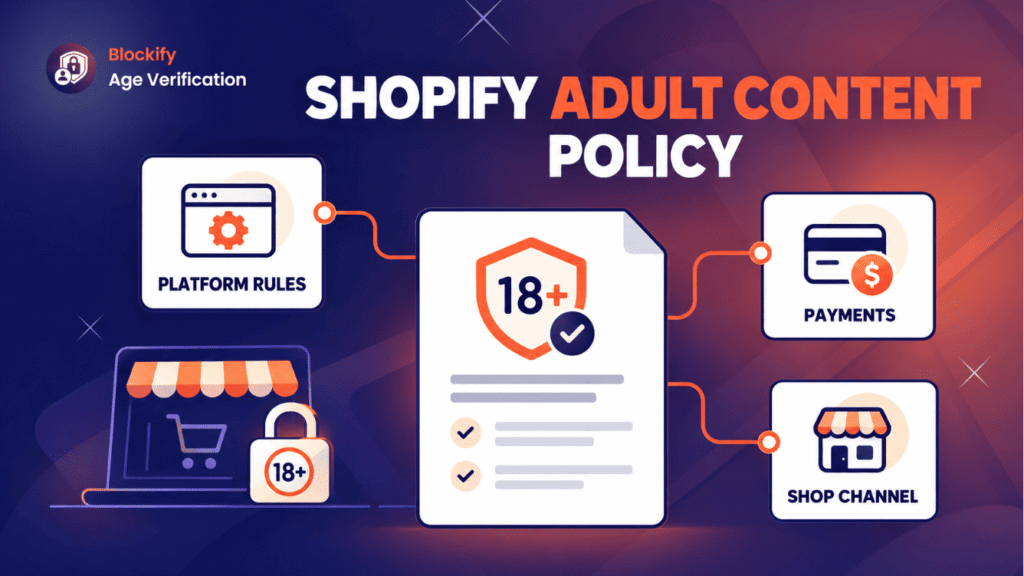
Understanding the shopify adult content policy is usually the first step when a store sells adult products or publishes mature content. But the harder question comes right after that: how do you protect mature content without making the store feel awkward, exposed, or hard to shop?
Shopify can support some legal adult-oriented stores, but the setup has to be careful. Product legality, payment rules, Shop channel limits, search visibility, and age access all matter. For many merchants, the answer is not just “allowed or not allowed.” It is whether the store has the right full-store or landing-page gate, a discreet design, remembered verification, and noindex rules for sensitive pages.
The goal is to protect mature content with a branded, privacy-friendly age gate while keeping the experience smooth for eligible shoppers.
Can You Sell Adult Products on Shopify?
Some adult-oriented stores may be able to run on Shopify, but there is no single rule that covers every adult product or type of mature content.
A legal adult wellness product, a mature product collection, an explicit video, and non-consensual content all carry different levels of risk. Shopify also has several policy layers that merchants need to separate.

Under the Shopify Acceptable Use Policy, merchants are responsible for following the law, Shopify’s agreements, partner rules, payment terms, and channel rules. Shopify also says merchants cannot use the platform for anything illegal where they do business.
Payment is another layer. Under Shopify Payments eligibility, Shopify Payments does not support adult products or services containing sexually explicit content. Merchants in this category may need a specialized third-party payment provider.
However, major alternatives also have restrictions. Stripe prohibits adult content and services, while PayPal limits sexually oriented transactions, particularly digital content and transactions outside approved categories. Check each provider’s current rules before applying, even when the products are legal to sell.
Adult merchants aren’t alone here. Sellers in other regulated categories face the same gap, which is covered in our guide to firearm eCommerce on Shopify.
Shop has its own rules too. The Shop prohibited products guidelines include mature and adult content or services, as well as products that have nudity. So a product may be possible on a Shopify online store but still not suitable for Shop.
The short answer: Shopify may work for some legal adult products, but merchants need to check the product, market, payment provider, sales channel, and content presentation before launch.
The Real Challenge Is Access Control
Once the basic policy question is answered, the next issue is access control.
Adult stores do not only need to ask, “Can this product exist on Shopify?” They also need to ask, “Who can see this content, when should they see it, and what should be hidden until they confirm their age?”
This matters because mature content can appear in many public places:
- homepage banners;
- collection thumbnails;
- product names;
- product images;
- product descriptions;
- recommended products;
- landing pages;
- search snippets;
- popups;
- blog images.
If mature content appears too early, it can create a poor experience for shoppers and may expose sensitive content to people who should not see it. At the same time, blocking too much of the store can hurt conversion and make the site feel harder to use.
A good adult Shopify setup needs balance. It should protect mature content before it appears, but it should not make eligible shoppers repeat unnecessary steps.
That is where age gates, discreet design, remembered verification, and search controls work together.
Choose Where the Age Gate Should Appear
An age gate is a popup, page, or check that asks visitors to confirm they meet the age requirement before viewing restricted content.
The most important decision is placement. A store-wide gate is not always better. A landing-page gate is not always enough. The right choice depends on how much of the store is mature and how visitors enter the site. A store built entirely around adult products needs a different setup than one of the many Shopify gaming stores that carry only a handful of 18+ titles.
| Gate Type | Best For | Main Benefit | Main Risk |
|---|---|---|---|
| Full-store gate | Stores where most or all products are adult-oriented | Protects the whole browsing experience from the start | Adds friction for every visitor |
| Landing-page gate | Mature campaign pages, guides, or restricted collections | Protects a specific entry point | Visitors may enter through other URLs |
| Product or collection gate | Mixed stores with only some adult products | Keeps general browsing open | Needs careful setup across all restricted products |
| Checkout gate | Stores that need one more confirmation before purchase | Adds a final check near conversion | Can hurt checkout flow if handled poorly |
Use a Full-Store Gate When Most of the Store Is Mature
A full-store gate works best when nearly every visitor should confirm age before browsing.
For example, a store that sells only adult products may not want visitors to see the homepage, product names, collection images, or featured products before confirming they are old enough.
In this setup, the gate appears before the storefront. Once the visitor confirms age, they can browse normally. If the gate remembers verified visitors, returning shoppers do not need to repeat the same step every time.
The benefit is consistency. The entire store follows one clear access rule.
The downside is friction. Every visitor has to pass the gate, even if they only want to read a shipping policy or contact page. That is why a full-store gate makes the most sense when most of the store is mature.
Use a Landing-Page or Product Gate When Only Some Content Is Mature
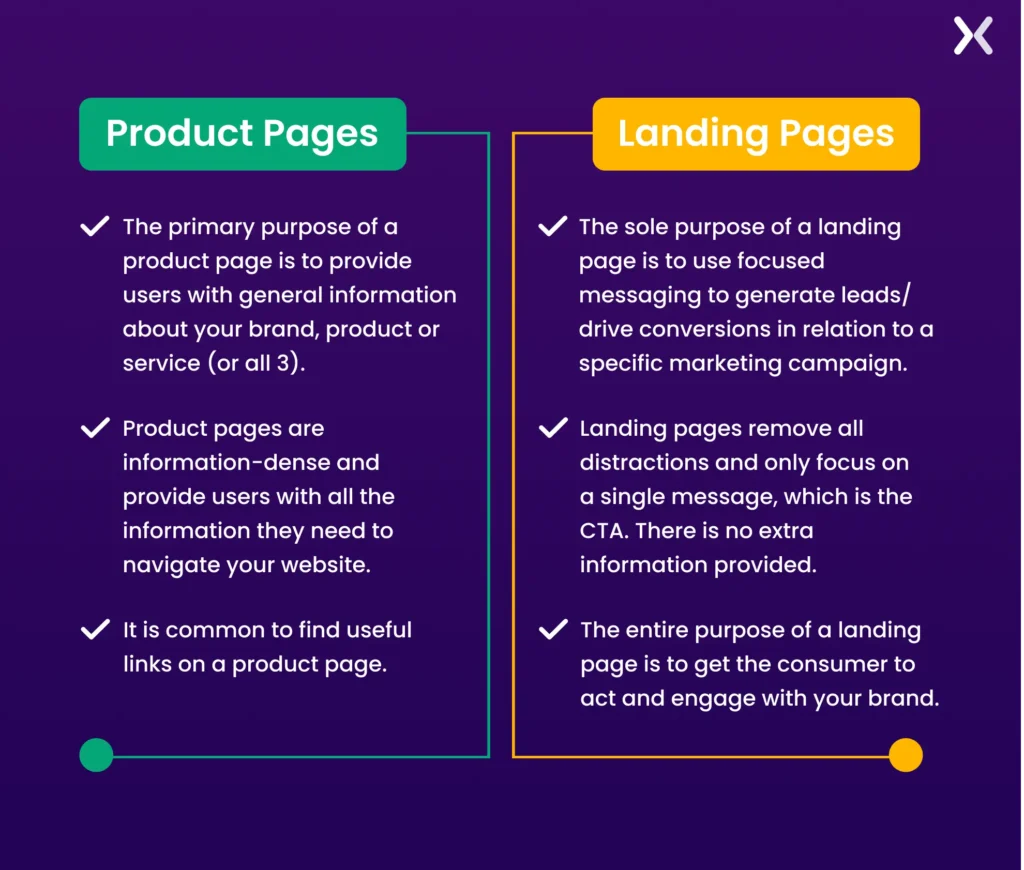
A targeted gate is better when the store has a mixed catalog.
For example, a wellness or Shopify supplement store may sell general products on the homepage but have one mature collection that needs age control. In that case, gating the whole store can feel too heavy. A landing-page, product, or collection gate protects the restricted area without slowing down the rest of the site.
This is also useful for campaigns. If email, affiliate, or direct traffic goes to a mature landing page, the gate can appear before the visitor sees that content.
The key is to check all entry paths. A visitor may not enter through the landing page. They may arrive from Google, a shared product link, internal search, or a recommended product block. If the product itself is mature, the product page may also need a gate.
A targeted gate gives shoppers a better experience, but it needs maintenance. When the store adds new mature products, the team should check whether those products need to be included in the same rule.
Best Practices For Shopify Adult Content Policy
Make the Gate Feel Discreet, Not Alarming
An adult-content gate should not look like a generic warning pasted over the theme. It should feel like part of the store.
This matters because adult-product shoppers often care about privacy. A loud popup, graphic background, or harsh warning can make the store feel less safe. A clean, discreet design does the opposite. It tells the visitor the store is controlled, private, and professional.
A good age gate template should use:
- short 18+ or 21+ wording;
- neutral colors that match the brand;
- clear buttons;
- no explicit background image;
- readable mobile layout;
- a privacy or terms link where needed;
- brand-matched font and spacing.
Button copy should also stay calm. “I am 18+” or “Enter” usually feels better than dramatic wording.
The copy should be direct:
This store contains age-restricted products. Please confirm your age to continue.
Or:
You must be 18 or older to enter this page.
Or:
This page includes mature content. Please confirm that you meet the age requirement for your region.
Avoid turning the popup into a long legal block. If the store needs more detail, link to the terms or privacy policy instead.
The store should also review what visitors can see before the gate. If explicit product images appear in homepage banners, collection thumbnails, or recommended products before the visitor confirms age, the gate may be placed too late.
For discreet stores, public areas should use neutral visuals and careful wording. More detailed product information can sit behind the relevant gate.
Reduce Repeat Friction With Remembered Verification
An age gate can protect mature content, but it can also become annoying if it appears too often.
If someone already confirmed their age, forcing the same popup on every page can make the store feel clunky. This is especially true for shoppers browsing several products, returning customers, or mobile visitors.
That is where remembered verification helps.
When the store remembers a verified visitor, the person can keep browsing without repeating the same age check again and again. The store still controls access, but the experience feels quieter after the first confirmation.
Remembered verification also supports privacy. A shopper may not want a visible mature-content warning to appear every time they open another page, especially in a shared space.
The best experience asks only for what is needed, remembers the visitor where appropriate, and lets eligible shoppers continue without unnecessary interruption.
For stores with sensitive products, this small detail can make the difference between a gate that feels protective and a gate that feels annoying.
Keep Age Checks Privacy-Friendly

Not every store needs to ask for the same information.
A checkbox or date-of-birth gate works for general age-restricted products. Sites publishing sexually explicit content may face legal age-verification requirements, such as the UK Online Safety Act and several US state laws, that self-declaration does not meet. Those merchants need an ID-based or other verified age check.
A date-of-birth field gives a more structured check, but it also asks for more information. That may be useful for some stores, but it should not be added by default if the use case does not need it.
A privacy-friendly age gate should:
- ask only for the required action;
- use clear, simple copy;
- avoid unnecessary personal questions;
- link to terms or privacy information where needed;
- match the store design;
- avoid claiming it guarantees compliance.
This is important for both customer trust and product messaging. The safe claim is not “guaranteed compliance.” The better claim is that the age gate helps merchants add age checks to support their compliance process.
Decide Which Mature Pages Should Appear in Search
Not every mature page should appear in search results.
Some pages are part of the SEO strategy. For example, an adult wellness store may want educational articles or product pages to rank for relevant searches.
Other pages should stay out of search. This can include private campaign pages, thin landing pages, sensitive collections, internal test pages, or pages made for a narrow audience.
For pages that should not appear in Google, use noindex. Google’s noindex documentation explains that noindex can be added as a meta tag or HTTP response header.
A basic noindex tag looks like this:
<meta name="robots" content="noindex">One important detail: do not rely on robots.txt when the goal is noindex. If Google cannot crawl the page, it may not see the noindex rule.
The simple rule is:
- use noindex when a page should stay out of search;
- make sure search engines can crawl the page to see the noindex tag;
- use stronger access control if the content must be private.
Noindex, Age Gates, and Content Protection Are Not the Same
Adult-content stores often mix these up, but they solve different problems.
| Goal | Best Method | What It Does |
|---|---|---|
| Keep a page out of Google | Noindex | Tells search engines not to list the page |
| Stop visitors from seeing mature content too early | Age gate | Adds a confirmation step before access |
| Protect private or premium content | Password, account, or member access | Limits access to approved users |
| Reduce copying or casual misuse | Watermarks or content controls | Adds friction, but does not fully protect content |
An age gate helps with mature-content access, but it is not strong security.
Noindex helps with search visibility, but it does not hide a page from someone who has the URL.
Password or member access is better for content that only approved users should see.
For adult Shopify stores, these methods can work together. A store might use an age gate on mature products, noindex on private campaign pages, and account access for premium content.
SEO Guidance for Mature Content
If a mature-content page is meant to rank, search engines need to understand it.
Google’s SEO guidelines for explicit content explain how site owners can help Google understand explicit content so it can be categorized more accurately.
For Shopify merchants, the main takeaway is straightforward: do not hide SEO pages so completely that Google cannot evaluate them.
If a page is behind an age gate, Google recommends allowing Googlebot to crawl without triggering the gate. If Google cannot access the content, the page may not rank well because Google cannot understand what is on it.
If the store has both explicit and non-explicit content, keep those areas clearly separated. Mature collections should not be mixed carelessly with general wellness pages.
For pages with sexually explicit content, Google supports adult rating metadata such as:
<meta name="rating" content="adult">This is one signal among several – Google also recommends grouping explicit pages in a separate domain or subdomain and allowing Googlebot to crawl them without triggering the age gate. This does not make the page rank higher. It helps search engines understand the page type.
How Blockify Age Verification 18+ Helps
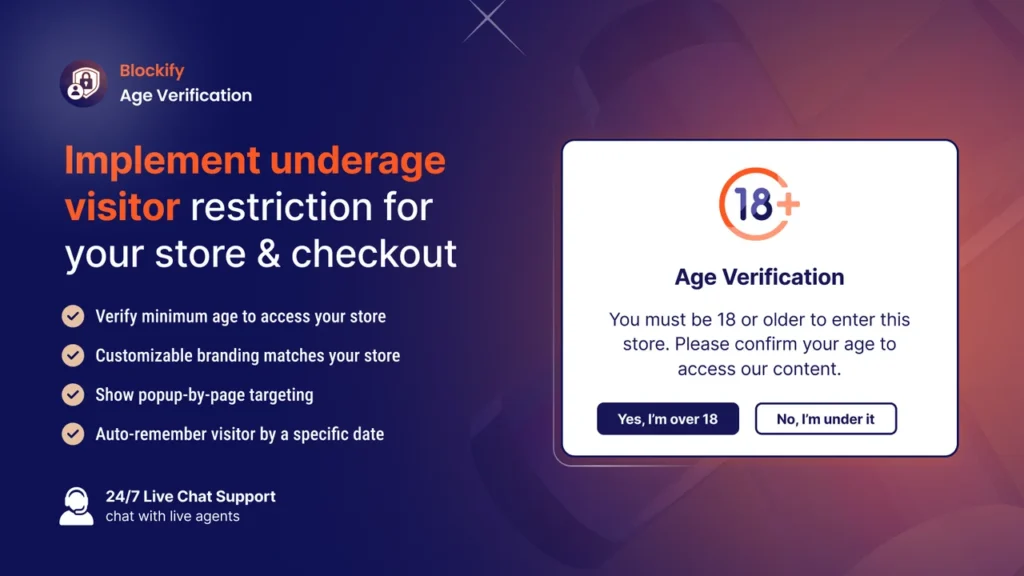
For Shopify stores that need this kind of setup, Blockify Age Verification 18+ is a relevant option.
The app helps merchants add configurable age-verification popups and minimum-age checks. It also supports popup templates, page restrictions, custom text, buttons, terms-related options, and “remember me” behavior.
Those features match the main needs of mature-content stores:
- protect the full store or selected pages;
- use a branded popup instead of a generic warning;
- reduce repeat friction for verified visitors;
- add terms or policy acceptance where relevant;
- control restricted content without custom development.
The strongest message is simple: Blockify Age Verification 18+ can help merchants protect mature content with a branded, privacy-friendly age gate. Merchants should still confirm the legal requirements for their product and target market.
Final Thoughts
The Shopify adult content policy is only the starting point. For many adult-oriented stores, the better goal is to create a shopping experience that feels controlled, private, and easy to trust. A branded, privacy-friendly age gate can help protect mature content without making eligible shoppers feel blocked at every step. With the right setup, merchants can keep sensitive pages more responsible while still giving the right visitors a smooth path to browse and buy.
