Legal compliance is something that every business needs to know in order to stay safe and avoid getting into trouble with the law. Following the right laws will help your business avoid fines and gain the trust of customers and partners, no matter how big or small it is.
| What you’ll learn in this article: ● What is legal compliance? ● Legal compliance requirements ● Common legal compliance examples ● How businesses maintain legal compliance ● Legal compliance best practices |
Legal compliance is an act of following all laws, rules, and standards that govern businesses and other organizations. In other words, it is an act of doing things in a way that is acceptable according to laws set by governments and other bodies that monitor businesses.
Businesses need to understand what legal compliance is in order to avoid incurring heavy fines, lawsuits, and harming their reputation. Companies can operate safely, keeping their customers and workers safe as well, by following the laws.
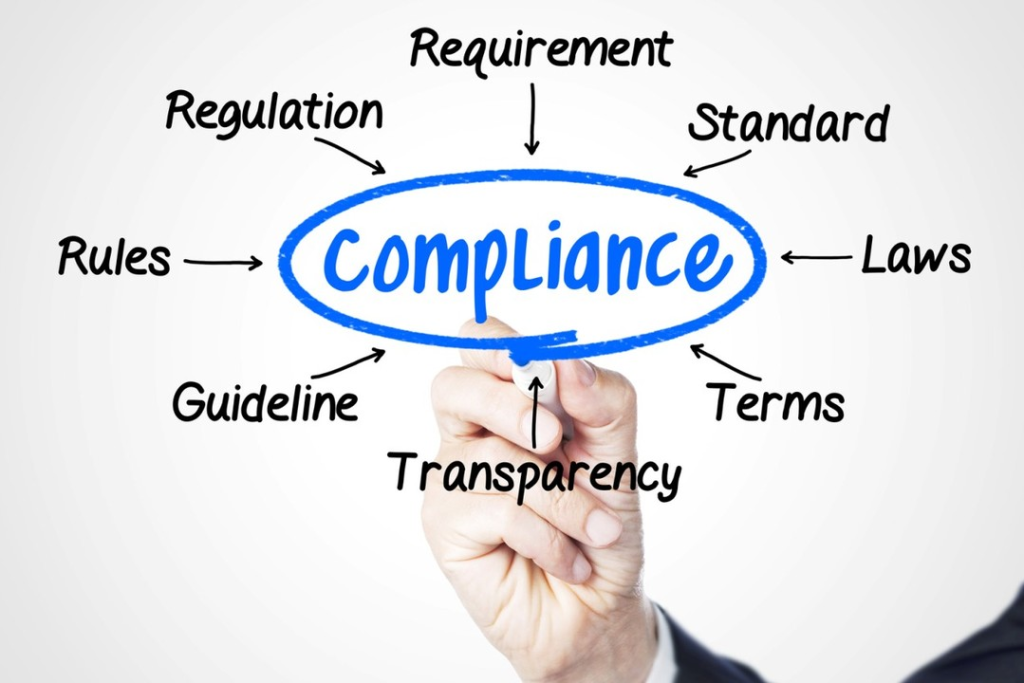
Legal compliance plays a key role in keeping a business stable and protected. It helps companies operate within the law while avoiding unnecessary risks and disruptions.
More importantly, staying compliant builds trust with customers, partners, and regulators. It also supports long-term growth by reducing legal issues and strengthening your business reputation.
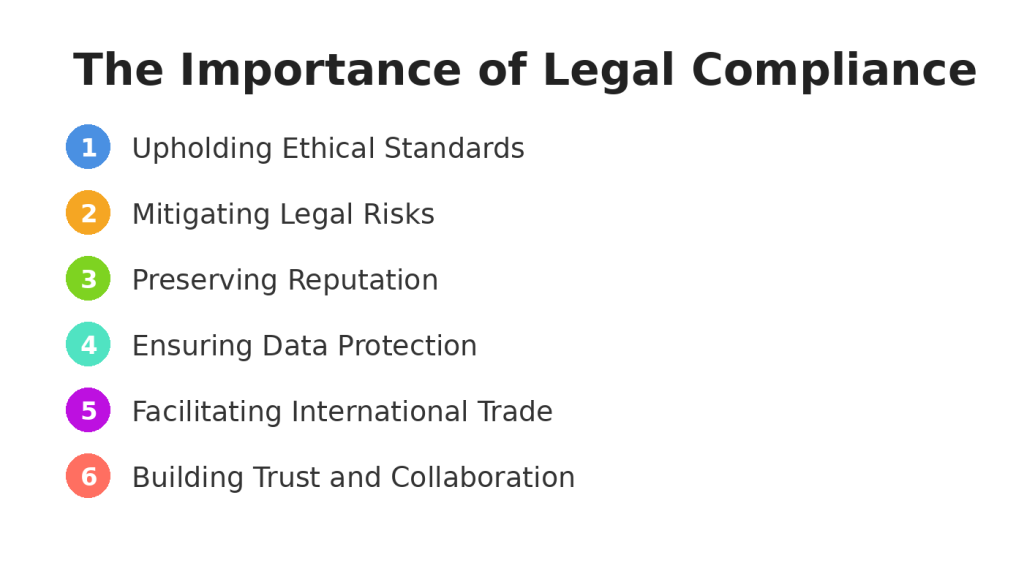
Businesses must follow various legal compliance requirements to operate lawfully and avoid penalties. These rules typically cover areas such as business registration, employment regulations, data protection, and tax obligations.
Below are some key areas of legal compliance that companies need to follow.
Before a business can start working, it must be legally set up. Your choice of structure, an LLC, corporation, or sole proprietorship, affects your taxes, liability, and management.
Also, you need to register your business name and get the necessary licenses or permits, which vary by industry and location.
Businesses need to protect their workers’ rights by making sure that contracts are clear about their roles, pay, and benefits.
They also need to follow rules about minimum wage, overtime, and workplace safety, and they need to pay into social security programs like pensions or insurance.
Also, businesses have to sign up for taxes and keep track of their money.
Paying taxes on time, like income tax, payroll tax, and VAT or GST, is equally important because it helps you avoid fines.
The General Data Protection Regulation and the California Consumer Privacy Act are two laws that businesses must abide by if they are dealing with customer data.
Also, companies must implement strong data protection practices like encryption and safe payment systems to abide by these laws. To meet these requirements, companies should implement strong data protection measures such as encryption, access control, and secure payment systems.
In certain sectors like finance, there are additional laws that have to be complied with, like anti-money laundering and KYC laws.
In the healthcare industry, there are rules to be followed regarding patient data, and in the energy and manufacturing sectors, there are rules regarding pollution and waste.
The companies need to be honest and transparent by practicing good governance principles. This includes holding meetings, keeping records, and sending financial reports to the appropriate government agencies on a regular basis.
Legal compliance in business means following the laws, regulations, and ethical standards that guide how a company operates. While requirements vary by industry and location, most businesses share a few common compliance areas.
These rules focus on protecting employees and ensuring fair, safe working conditions across all roles.
Handling user data responsibly is no longer optional. One mistake here can cost a business millions and destroy trust.
This area keeps business operations honest and financial reporting accurate.
These are the internal rules and structures that keep your business legally valid and well-managed.
Businesses are increasingly expected to reduce their environmental impact, not just legally but also reputationally.
Failing to meet legal compliance requirements can lead to serious consequences that affect both daily operations and long-term growth. These risks go far beyond simple fines and can impact every part of a business.
Non-compliance often results in heavy fines, legal fees, and unexpected costs. These expenses can quickly add up and put pressure on cash flow.
As a result, businesses may also lose revenue due to disrupted operations or reduced customer trust.
Regulatory violations can lead to suspended licenses or forced shutdowns. In some cases, companies may have to stop certain activities entirely.
Consequently, these disruptions can delay projects, interrupt services, and affect overall productivity.
Legal issues can attract negative media attention and damage public perception. Customers and partners may lose confidence in the business.
Over time, this loss of trust can be difficult to recover and may significantly impact brand value.

Serious violations can lead to lawsuits or legal action against the company. In some cases, business leaders may face personal liability.
Moreover, organizations may also deal with class-action lawsuits or stricter regulatory scrutiny in the future.
Non-compliance can affect company culture and employee confidence. Uncertainty and legal pressure often reduce morale.
In addition, businesses may struggle with high turnover and difficulty attracting new talent in a risky environment.
Maintaining legal compliance isn’t a one-time task. It requires a structured approach that combines people, processes, and tools working together.
Clear leadership and accountability are the first steps to a strong compliance program. Many businesses have a compliance officer. They make sure everyone knows what their responsibilities are. On the other hand, leadership sets the tone by motivating employees to be honest and giving them a code of conduct to follow when making decisions every day.
Businesses can catch compliance issues early, even before they become serious compliance violations, by keeping a watchful eye on things all the time. Internal audits review the company’s processes, data, and financial records regularly.
External audits and risk assessments provide businesses with an objective look at their operations. This helps them identify areas where they are vulnerable and focus on the most critical ones.
Moreover, role-specific guidance and anonymous reporting channels encourage employees to stay informed and speak up when issues arise.
It’s hard to keep track of compliance by hand, especially when it comes to multiple areas. Companies often use tools to keep track of rules and make reporting easier.
This is why centralized systems make it easier to keep track of documents, check for updates, and make sure that compliance processes don’t make mistakes.
Compliance also means how businesses work with regulators, partners, and vendors. Contracts often have clauses that make sure third parties meet certain standards.
At the same time, businesses need to keep up with their filings, tax payments, and license renewals in order to stay on the right side of the law.
Modern compliance is no longer just about checking boxes. It’s about building systems that adapt quickly to new risks, technologies, and regulations.
As rules change more quickly and data volumes grow, manual tracking is no longer enough. Companies need to be able to see their compliance status in real time.
Because of this, businesses are moving to automated tools and built-in workflows that keep an eye on compliance all the time and make sure that checks are built right into daily tasks.
Businesses need to set clear rules for how AI systems work as they become more common. This means keeping track of all AI tools and making rules about how data can be used and how bias can be avoided.
Organizations also need to be open about how they make decisions based on AI, which means they need to be able to explain how they do it when the law requires it.
ESG is no longer just a way to market. It is becoming a legal requirement in many places, with strict rules for reporting.
So, businesses need to use standardized frameworks and keep a close eye on their supply chains to avoid indirect violations of labor or environmental laws.

When people work from home, compliance depends on where they are, not where the company is located. This makes the law more complicated.
To stay compliant, businesses must regularly review local labor laws, tax rules, and ensure safe working conditions even in home office environments.
Compliance is driven by people, not just policies. A strong culture helps prevent issues before they happen.
In practice, companies use short, practical training and anonymous reporting channels to encourage employees to stay aware and speak up early.
Staying compliant in ecommerce requires more than just knowing the rules. You need clear processes in place to manage customer data, transactions, and store operations effectively.
While these best practices provide a solid foundation, managing compliance manually becomes harder as your store grows. More products, more traffic, and stricter regulations increase the risk of missing important requirements.
This is where tools like Blockify Age Verification play a key role.
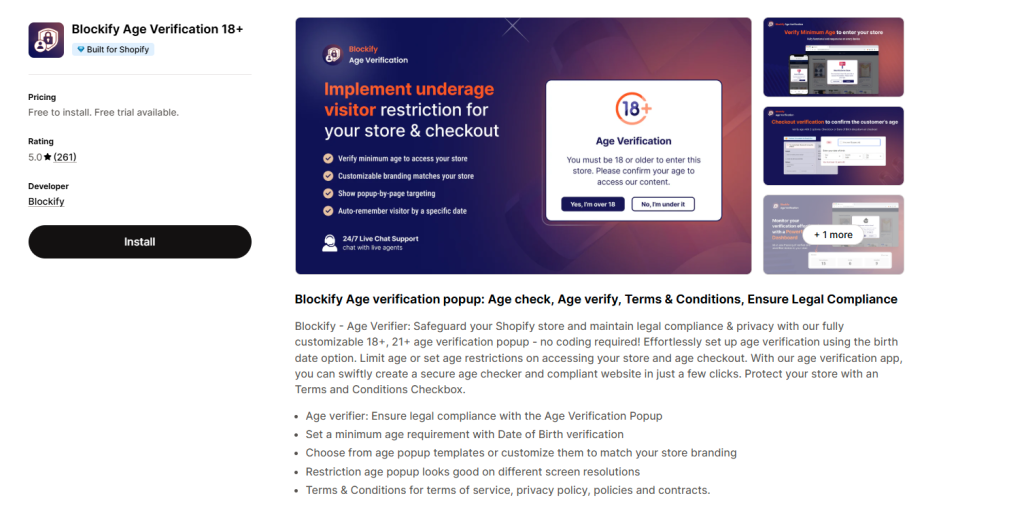
Blockify Age Verification helps you control access to age-restricted products by verifying user age before they enter your store or specific pages. This is especially important for industries like alcohol, vape, CBD, or adult products, where legal compliance is mandatory rather than optional.
In addition, Blockify Fraud Filter can support your compliance efforts by detecting suspicious behavior and blocking risky visitors. While its primary focus is fraud prevention, it also helps reduce legal risks related to unauthorized transactions and abuse.
Together, they make compliance easier to manage while supporting better protection for the store and its customers.
Staying compliant is not always straightforward. As regulations evolve and business models become more complex, companies often face multiple challenges at the same time.
Keeping up with constantly changing laws across different regions can be difficult. Businesses operating in multiple markets must follow different rules at once.
As a result, companies need to monitor updates closely, especially in areas like data privacy where trust and compliance are strongly connected.
Compliance does not stop within your organization. Businesses are also responsible for ensuring that partners and suppliers meet legal and ethical standards.
This creates additional pressure, as any violation from third parties can still impact your brand and lead to legal consequences.
Protecting sensitive data has become one of the biggest compliance challenges today. Companies must handle large volumes of customer information securely.
However, maintaining strong data protection systems is not easy, especially as cyber threats continue to evolve.
Many businesses still rely on manual processes like spreadsheets or emails to manage compliance tasks. This increases the risk of errors and inefficiencies.
At the same time, limited staff and budgets make it harder to keep up with all regulatory requirements consistently.

The use of AI introduces new compliance challenges that businesses must address. This includes managing data usage, bias, and ethical concerns.
In addition, companies must balance innovation with regulation, ensuring that AI systems remain transparent and aligned with legal standards.
Conclusion
Legal compliance isn’t just about ticking boxes. It sits at the core of how a business runs responsibly and stays stable over time. When you understand the meaning of legal compliance and know how to define legal compliance clearly, it becomes much easier to apply the right requirements and keep operations on track.
With clear policies, regular training, and a habit of keeping up with new regulations, businesses can reduce risks and stay compliant without turning it into a constant headache.