Delivering a great eCommerce customer experience has become one of the strongest competitive advantages online brands can build. From navigation and product discovery to checkout, fulfillment, and post-purchase care, every touchpoint shapes how shoppers feel about your store.
| In this article, you’ll learn: ● What eCommerce customer experience really means ● Why it has a direct impact on conversions and loyalty ● The biggest CX problems hurting online stores ● Practical ways to improve the entire shopping journey |
eCommerce customer experience (CX) is the overall perception of the online shop and is the same from the moment they land on the site till they receive their order. It is a reflection of how easy, smooth, and enjoyable the whole buying process is.
The navigation of the site, discovery of products, the speed of the page during checkout and customer support, shipping, and post-purchase follow-up are some of the major elements involved in CX. If these elements work in harmony, buyers will start to trust your company, make more purchases, and return more frequently. In contrast, if they don’t, the frustration will result in cart abandonment and loss of sales.
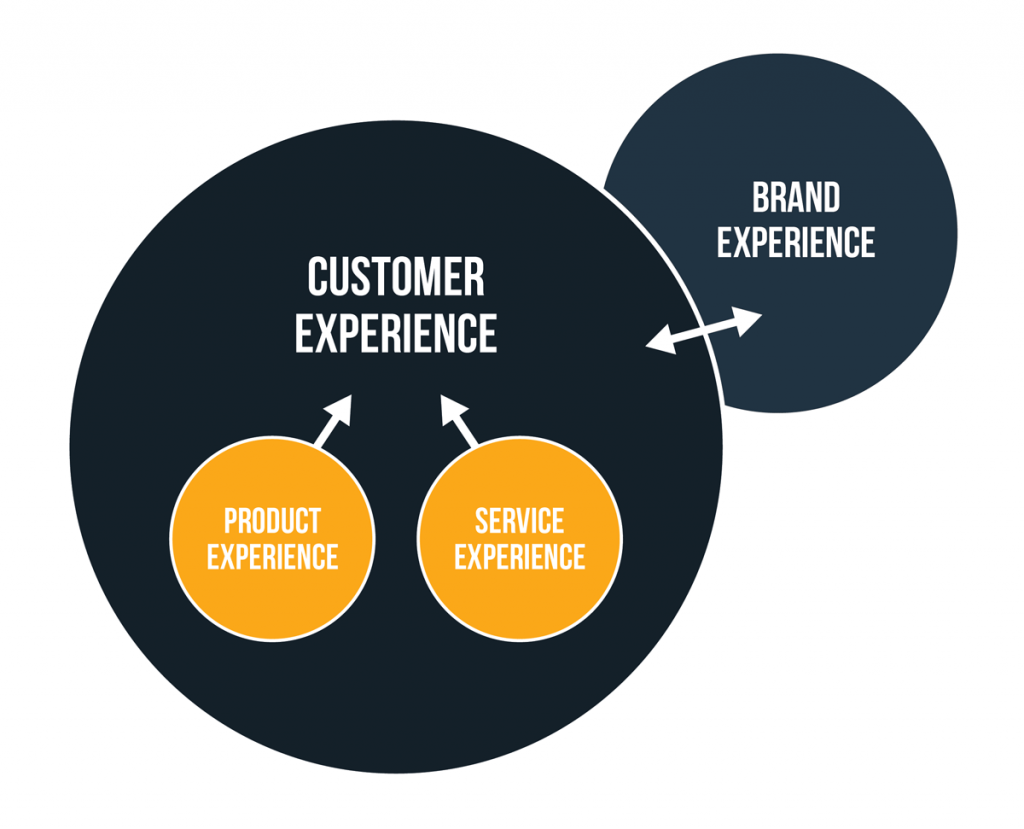
A great eCommerce experience isn’t just a “nice bonus” anymore; it’s the deciding factor that separates brands that grow from brands that struggle.
An easy and highly intuitive course of shopping will make it possible for the customers to find what they are looking for and make up their mind about the purchase without any hesitation. A well-organized navigation system, fast loading of pages, and a simple process of checking out all make the buying process more confident.
So, the number of visitors that change into customers will be increased, and thus sales will be boosted without any increase in either the advertising cost or the volume of traffic.
If a shopper enjoys all the steps in the process of interaction from browsing to delivery, he or she is very likely to come back again. Good user experiences build trust and distinguish your brand from the competitors who sell comparable products.
This trust, in turn, results in customer retention, i.e., more repeat purchases, higher lifetime values, and a customer base that expands naturally through word-of-mouth rather than paid advertising.
Customers today expect seamless experiences, and brands are paying the price when they fall short. Research shows 57% of customers will switch to a competitor after a single poor experience, and 86% might never return after two bad interactions, illustrating just how sensitive modern buyers are to experience quality.
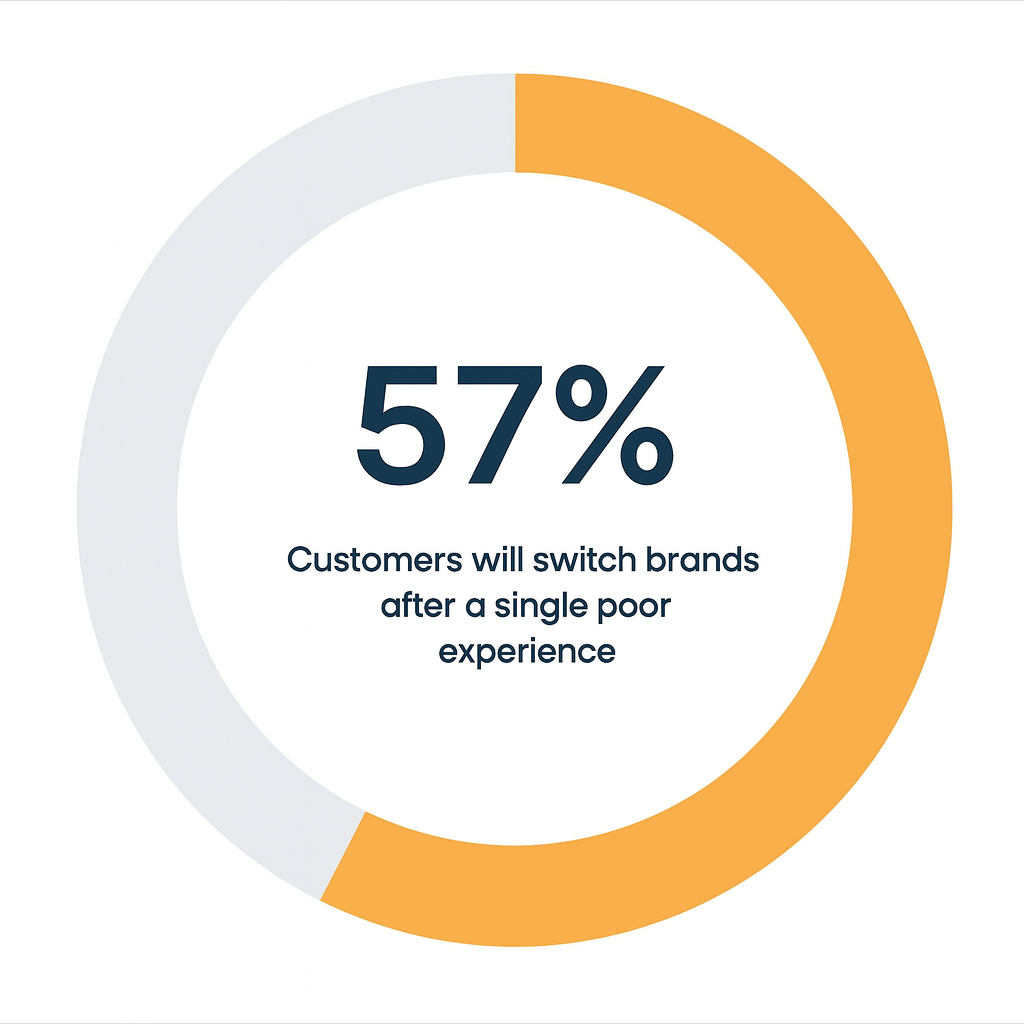
Because of this, delivering excellent customer experience isn’t optional; it’s a core competitive edge that influences loyalty, retention, and long-term revenue growth in eCommerce.
Your website and mobile design quality are the main factors that decide how every interaction will be. Having a fast website, easy navigation, logical layout, and mobile responsiveness will enable customers to get what they want quickly and without any hassle.
Since mobile shopping has become the main source of eCommerce traffic, having a mobile-friendly UX is no longer an option but rather a necessity for keeping customers and turning them into buyers.
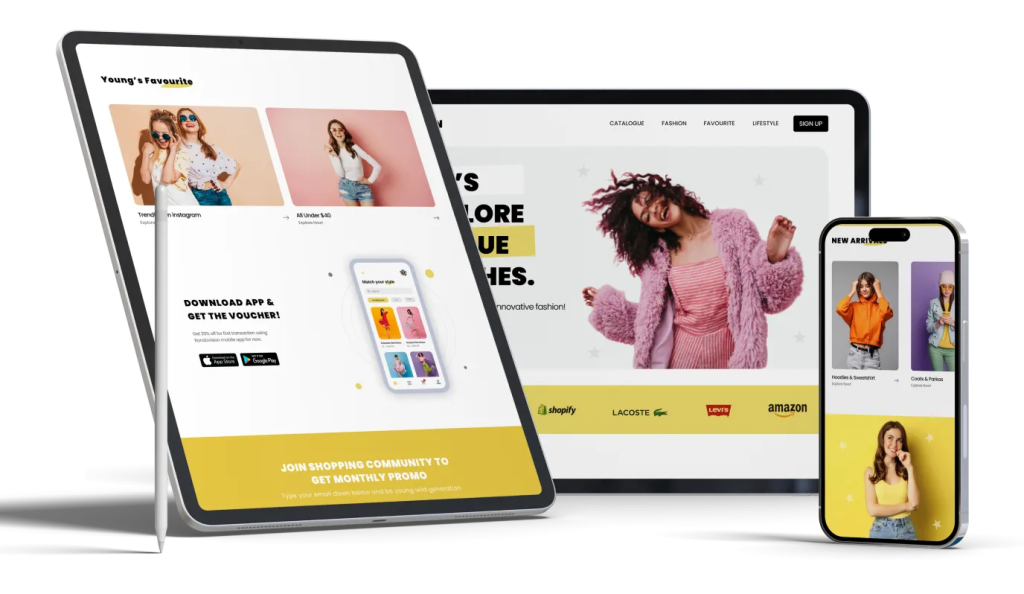
The process of discovering products easily creates a situation where browsing becomes a pleasure rather than a burden. The use of search engines, appropriate filtering, and logical navigation all together significantly assist the users in quickly choosing what they want thus minimizing bounce rates and elevating sales.
Consequently, the users will be redirected to engage with the site more, and this is one of the main factors that lead to good customer experience and higher average order values.
The area of your product pages is the place where buying choices are made. Customers depend on vivid images, comprehensive text, and customer feedback to know the things they cannot physically touch.
Research reveals that precise, complete product information sways decisions, while good pictures and sound information cut returns and enhance satisfaction.
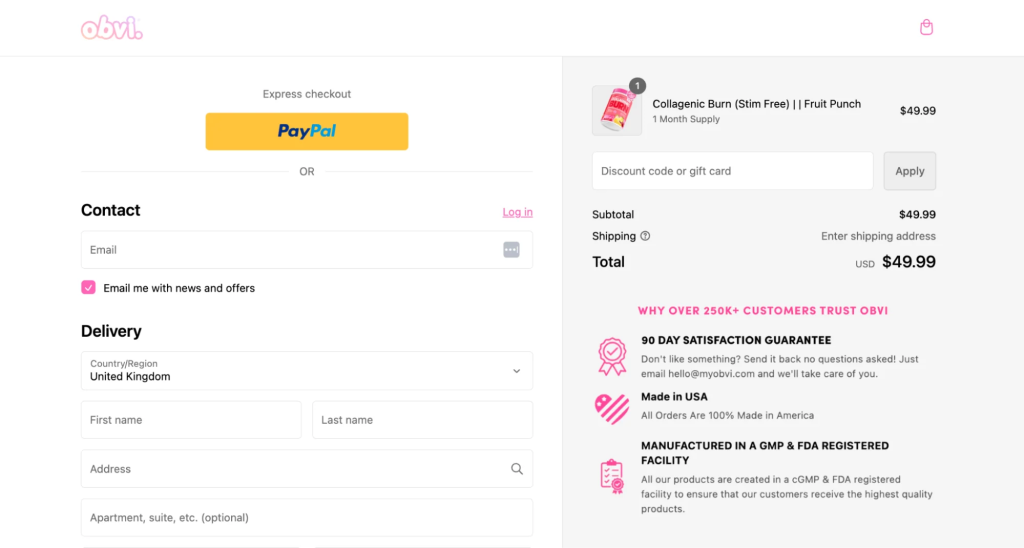
Checkout should feel fast, secure, and simple. Long forms, hidden fees, or unclear security cues drive abandonment, a major issue given that the average cart abandonment rate is about 70.2% across eCommerce.
Offering multiple payment options and reducing steps can dramatically improve completion rates and customer confidence.
Delivery speed, clarity in tracking, and acceptance of returns on fair grounds are crucial elements that influence customers’ perception of your brand after buying. Dependable shipping alleviates stress and makes it more probable that the customer will come back.
Since a considerable number of shoppers look for prompt and open delivery, the delivery performance usually turns out to be a key contributor to overall satisfaction and brand loyalty.
The quality of customer support interaction has a direct impact on trust and problem resolution. Fast replies through live chat, email, or smart chatbots give customers confidence when they have questions or experience issues.
In turn, strong support reduces exasperation and turns what could have been negatives into opportunities for the brand to be seen positively.
The customer experience does not come to an end with the checkout; sending of email reminders, personalized emails, feedback requests, and loyalty rewards are some of the ways that the relationship can be extended beyond a single sale.
As a result, a good post-purchase experience leads to repeat purchases, positive word-of-mouth, and a higher customer lifetime value.

A slow or cluttered website immediately harms customer engagement; 53% of mobile users will leave if a page takes more than three seconds to load, and each additional second of delay further increases abandonment. Slow performance not only frustrates users but also reduces conversions and harms revenue potential.
Beyond speed, messy navigation or unclear layout gives users the impression that the site is hard to use. Once someone labels your store as “difficult to navigate”, winning them back becomes extremely difficult.
When product pages lack clear details, like accurate images, full specifications, or size charts, customers hesitate. This uncertainty slows decision-making and increases the chance they’ll leave without buying. Poor confidence in product content is a well-known barrier to purchase and directly depresses conversion rates.
In fact, industry benchmarks show that typical eCommerce conversion rates are only around 2–4%, meaning even small improvements in clarity and confidence can meaningfully lift sales.
Checkout is the moment where purchase intent is at its strongest, but also where friction destroys conversions the fastest. According to Blockify’s checkout abandonment analysis, the average checkout abandonment rate on Shopify ranges from 60% to 70%, showing just how many shoppers drop off during the final steps.
Friction points like long forms, unclear required fields, surprise fees, or limited payment methods make customers hesitate, and hesitation often turns into abandonment. Worse, these breakdowns don’t just lose a single sale; they weaken trust, meaning many of those shoppers may not return at all.
Missing trust cues like secure badges, clear return policies, or verified reviews can make customers second-guess their decisions. Without visible reassurances about security and quality, uncertainty remains a psychological barrier.
Research found that consumers often interpret slow or insecure-looking elements as indicators of poor brand quality, which can lower confidence even before purchase decisions are made.
Post-purchase communication matters just as much as pre-purchase clarity. Delayed or missing shipment notifications, unclear return instructions, and slow customer support turn positive experiences into frustration.
A poor follow-up not only harms repeat business but also encourages negative word-of-mouth, making it harder to build long-term customer relationships.
Customers should have the possibility of finding their desired product within seconds. Appropriate menus, vigorous filtering, and an accurate search facility enable customers to sift through the stock without the risk of feeling overwhelmed.
Consequently, users of the site remain for longer periods, look at more items, and purchase at higher rates since the route to finding the product feels straightforward instead of puzzling.
Doubt and uncertainty will not be allowed in the selection of the item; rather, they will be dispelled through the use of images that are of high quality, full descriptions, comparison charts, and genuine feedback. Excellent product pages are the ones that preemptively address the questions customers might have.
This way, the customers are assured of the quality of the product, which in turn leads to a decrease in the number of returns as well as an increase in the likelihood of the purchase being completed.
A streamlined checkout that contains fewer fields, offers multiple payment methods, incorporates autofill, and includes transparent fees significantly decreases abandonment. Every extra step that is taken out enhances your ecommerce conversion rate probability.
Your checkout is then regarded as a frictionless moment rather than a final barrier, and hence, you recover sales that usually get lost.
Be honest about shipping times, give customers real-time tracking, and send them proactive updates. Customers expect reassurance after clicking “Buy”, so they do not want silence.
Ultimately, trust and anxiety reduction, which are two main factors of repeat purchases and long-term loyalty, are created through this process.
Provide various support channels like live chat, email, chatbots, and help centers. Quick and helpful responses turn moments of stress into positive impressions.
Over time, dependable support turns into a distinguishing trait, causing customers to feel appreciated and raising the probability of their return to your store.
Employ behavior-based suggestions, personalized emailing, and personalized content to make the shoppers feel recognized. Personalization shortens the path to purchase and increases relevance.
Furthermore, brands that do personalization right tend to have higher AOV, stronger engagement, and improved loyalty compared to brands that offer standard messaging.
Send follow-up surveys, gather reviews, and monitor customer sentiment. Feedback enables you to identify problems early on and to see what customers really value.
Thereafter, you can carry out the necessary improvements that directly address real customer pain points rather than just guessing.
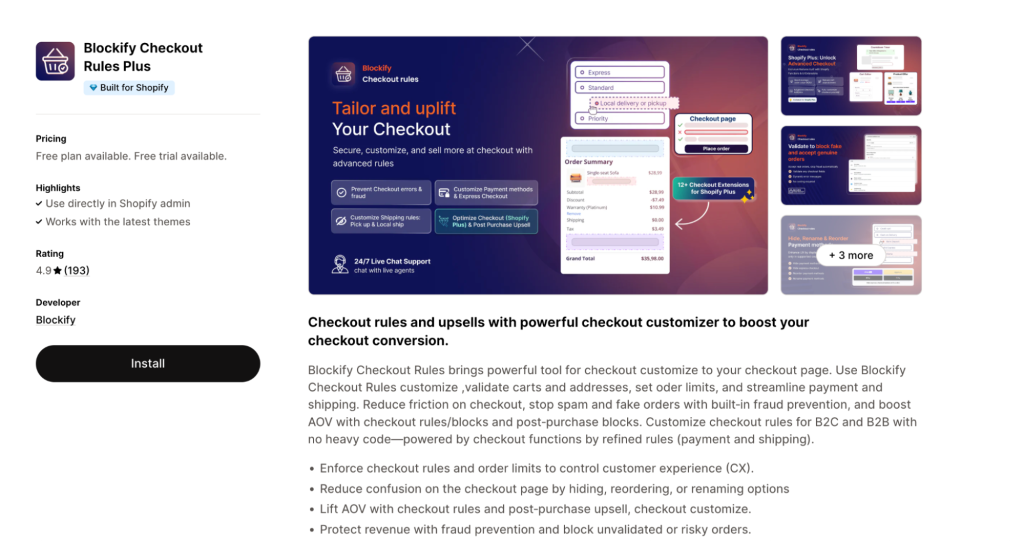
Checkout is often where customers hesitate the most, especially when they encounter errors, slow loading, or payment restrictions. With Blockify Checkout Rules, you can enforce checkout rules and order limits to control CX. Moreover, Blockify also helps auto-detect risky behaviors, block bots, filter problematic traffic, and keep the checkout experience fast and secure for real shoppers.
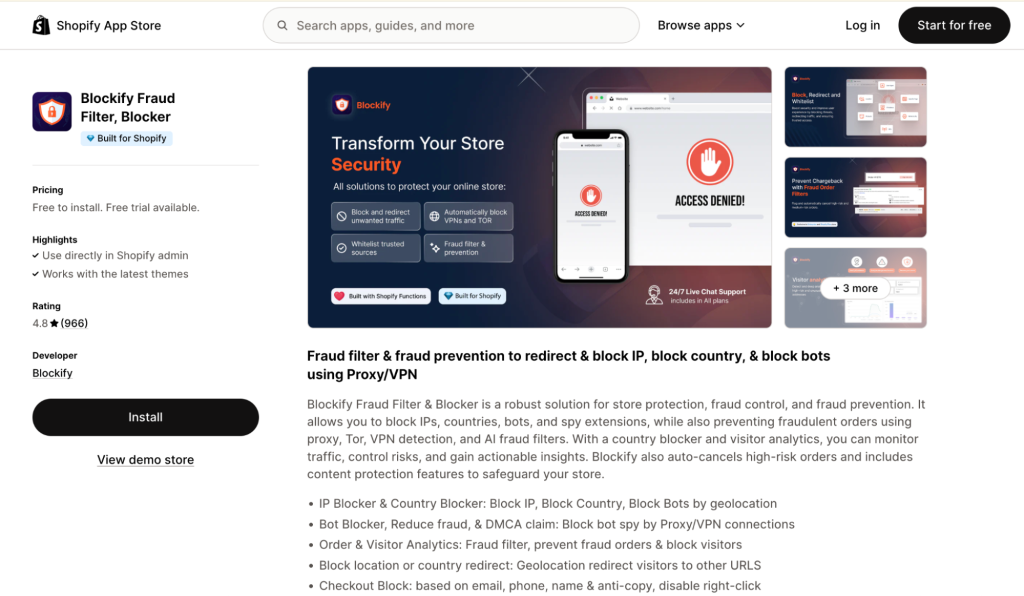
Additionally, Blockify Fraud Filter enhances the experience by blocking bots, filtering suspicious traffic, and redirecting risky users before they disrupt your funnel. This protects your store from fraud while keeping the checkout environment fast, secure, and trustworthy.
Conclusion
Delivering a great eCommerce customer experience isn’t about one big tactic; it’s the sum of dozens of small moments that make shoppers feel understood, supported, and confident from the first click to long after checkout.
When you refine each touchpoint, remove friction, and communicate with clarity, you turn routine transactions into memorable interactions. And over time, those positive experiences compound into higher loyalty, stronger retention, and a brand customers genuinely enjoy coming back to.