Behind every successful brand, there is a solid foundation that keeps the business safe and legal. As regulations regarding online privacy, payments, marketing, and cross-border selling continue to become increasingly stringent, e-commerce compliance is not a choice but a necessity for every online retailer who wants to grow and sustain his/her online store successfully.
| What you’ll learn from this article: ● What e-commerce compliance really means for online businesses ● The key legal areas every store must understand ● A practical e-commerce compliance checklist to audit your store ● Tools that can help simplify compliance and reduce legal risk |
E-commerce compliance is a term used to refer to a set of rules and regulations that an online business must adhere to in order to be considered legal. E-commerce compliance ensures that your online store is compliant with regulations regarding online data privacy, online payment security, and marketing, among others.
In essence, e-commerce compliance is simply ensuring that your online store has the right policies in place, protecting customer data, ensuring safe and secure online payments, and being transparent regarding pricing, returns, and other terms and conditions, among others. While it is not just about avoiding fines and penalties, it is also not just about being legal; it is also about building a successful and sustainable online business.
E-commerce compliance is not a rule or a policy. It is a set of legal, technical, and operational requirements that must be combined to protect customers and businesses.
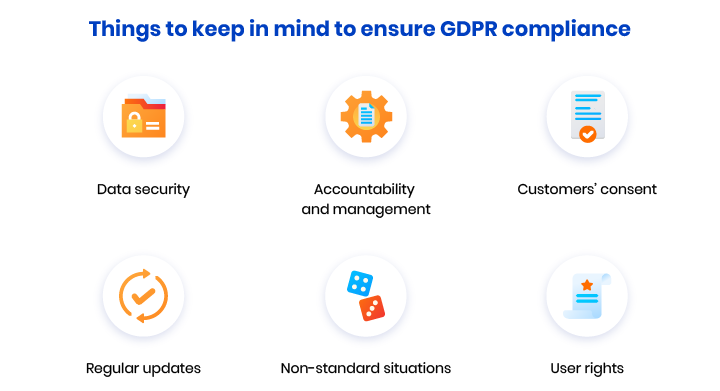
Data privacy is one of the most heavily regulated areas of e-commerce. If you collect names, emails, payment information, or behavioral data, you are responsible for handling that data in the right way.
Handling payments involves dealing with confidential financial information. This is where security standards play a crucial role.
Customers need to understand what they are purchasing and what their rights are after the purchase.
Online product promotion has its own set of legal guidelines.
Selling online often means selling across regions, and that adds tax complexity.
Compliance is not just about paperwork. It directly impacts your revenue, reputation, and ability to scale long-term.
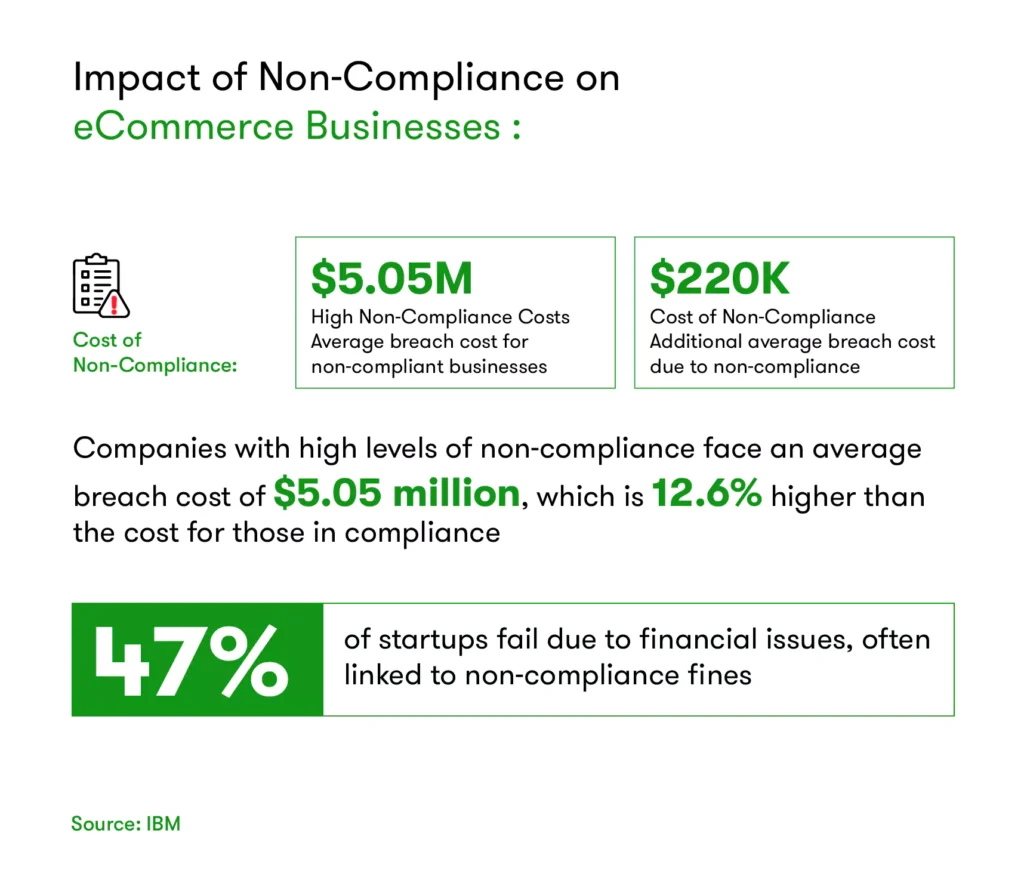
Non-compliance can also lead to severe legal consequences such as heavy fines, lawsuits, and even the suspension of payment processors. For example, non-compliance with the GDPR regulations can lead to a fine of up to 20 million Euros or 4% of global annual revenue. Other potential risks include class action lawsuits, IRS tax audits, and even criminal charges.
In addition to the financial costs, legal issues also consume valuable time and resources. Instead of using your valuable time to focus on business growth, you will be dealing with legal issues.
Your customers are also more aware of their rights. They will leave your store if they feel their information is not secure enough.
Having a good compliance system demonstrates your professionalism. It also helps you build trust with your customers.
As your store grows to new markets, the complexity of regulations will also increase. Without a good compliance system in place, it will be difficult to grow your store internationally.
A compliant structure makes partnerships easier, reduces platform risks, and allows you to grow confidently without fearing sudden shutdowns.
E-commerce compliance is not something you set once and forget. It requires a structured checklist that helps you review legal, technical, and operational areas regularly.
Your store must clearly display essential policies that define how you operate and how customer data is handled. These documents protect both your business and your buyers.
Make sure you have an updated Privacy Policy, Terms and Conditions, Refund Policy, and Cookie Policy that reflect your actual practices and the regions you sell to.
Customer data should be processed and stored securely at every point. This includes securing payment information, login credentials, and personal identifiers.
Ensure that your store has SSL encryption enabled, your payment processor is PCI compliant, and that customer data is not accessible to unauthorized personnel within your business.
Customers should never be surprised by charges at checkout. All charges, including taxes and shipping, should be clearly visible before completing a purchase.
You should also have fraud protection measures in place and monitor chargebacks to minimize financial and regulatory risks.
Email marketing and advertising campaigns should comply with consent-based regulations. Sending unsolicited promotional content can result in fines.
Ensure that you have opt-in options, convenient unsubscribe links, and clear influencer disclosures if you use sponsored content.
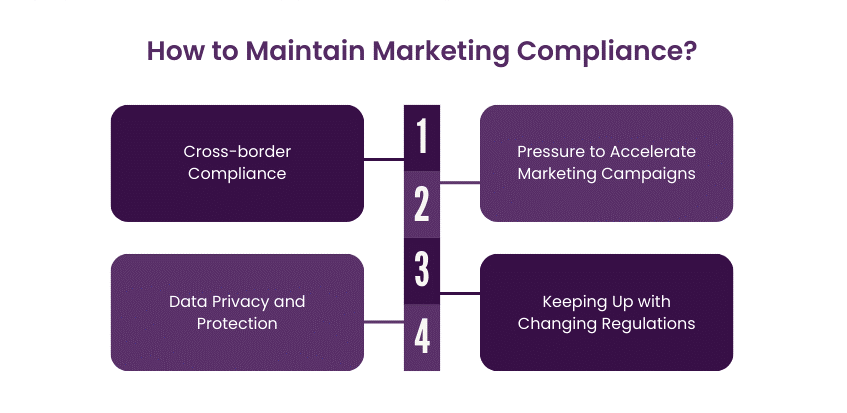
If you sell across borders, tax considerations can get messy. Different countries have different rules regarding sales tax, VAT, and digital goods.
Make sure you check your tax settings and reporting regularly to ensure you’re charging and paying the right amount in different countries.
Complying with tax laws is a continuous process. It is not a one-time thing. It can change at any time, especially with regard to privacy and digital commerce.
Make sure you have periodic audits done and check your store settings regularly to ensure you’re complying with tax laws.
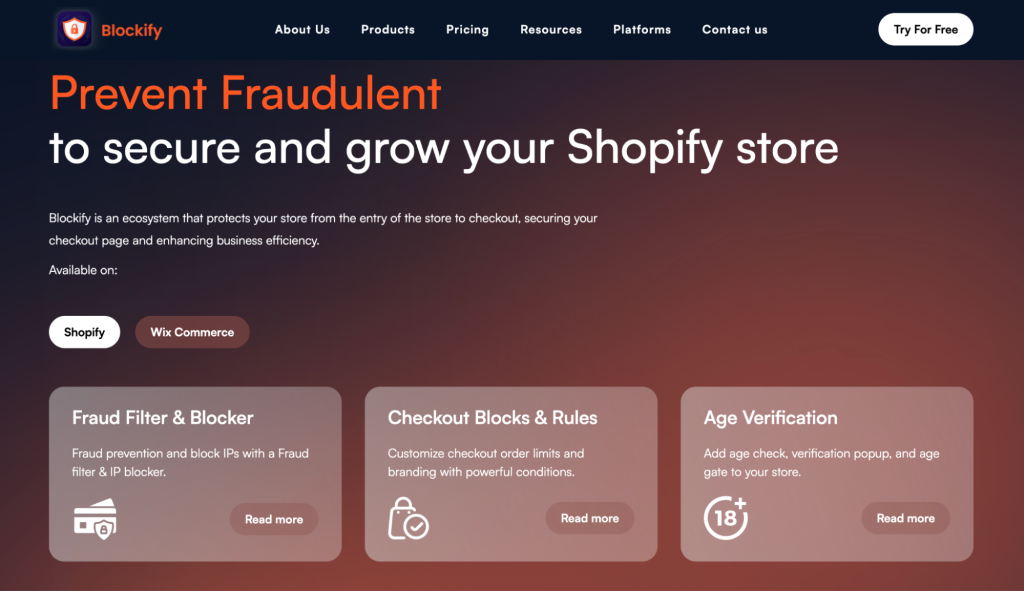
E-commerce compliance doesn’t stop at policies and legal documents. You also need technical safeguards that protect your store from the first visit to the final checkout. That’s where Blockify comes in. Instead of focusing on a single feature, Blockify offers an ecosystem designed to protect your storefront, restrict unauthorized access, and secure the checkout experience while keeping operations efficient.
Blockify solutions are available on Shopify and Wix, helping merchants strengthen compliance across different platforms. The ecosystem includes:
Conclusion
E-commerce compliance requirements extend beyond initial verification procedures. The foundation protects your business operations, together with customer relationships and your potential for future expansion. Compliance at all levels protects your organization through data protection measures, payment security systems, consumer protection standards, and tax law requirements.
The trick is to look at compliance as an ongoing process, not a one-time task. Your business achieves two important objectives when it meets compliance standards because it protects itself from penalties while creating a secure business foundation that supports future expansion.